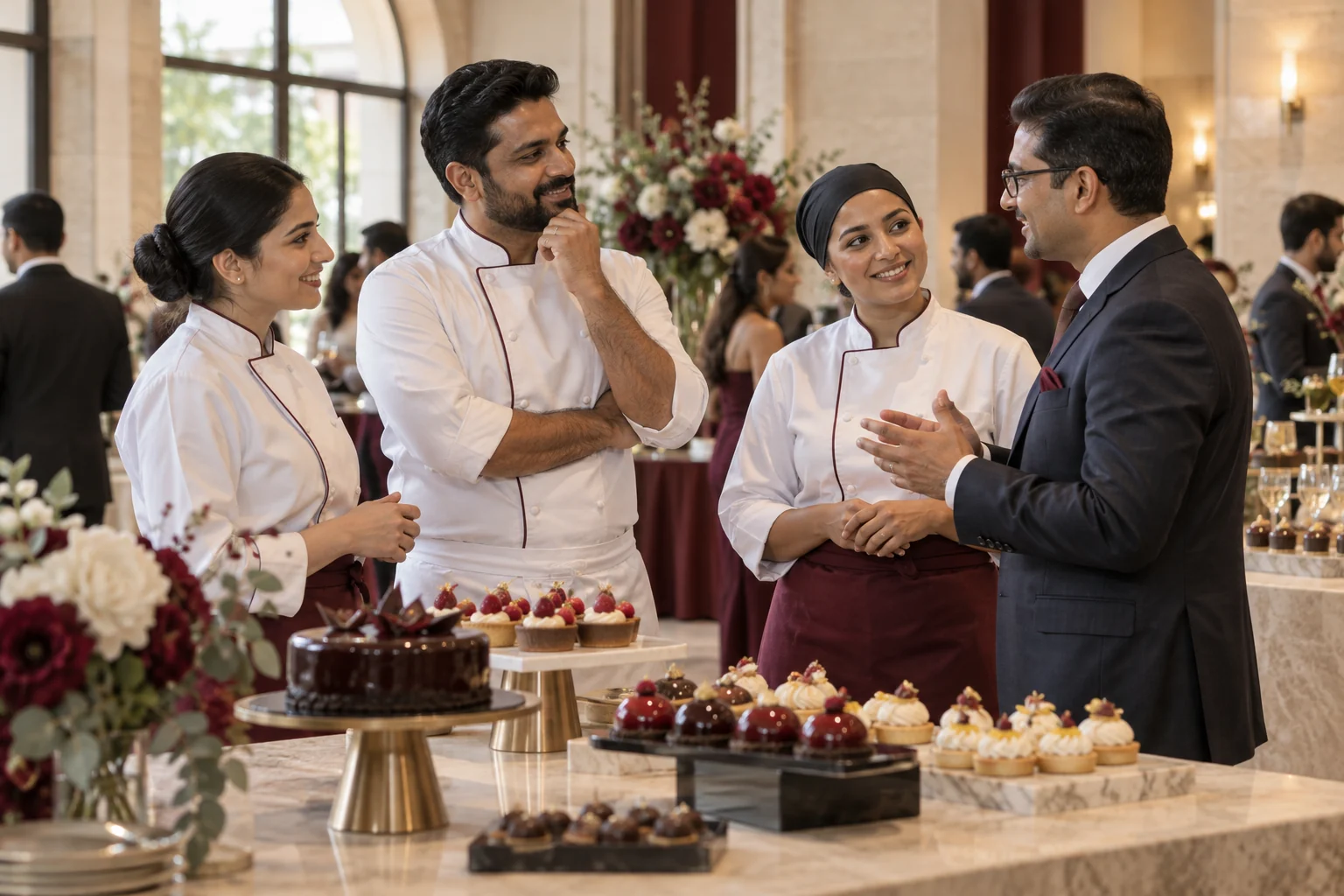
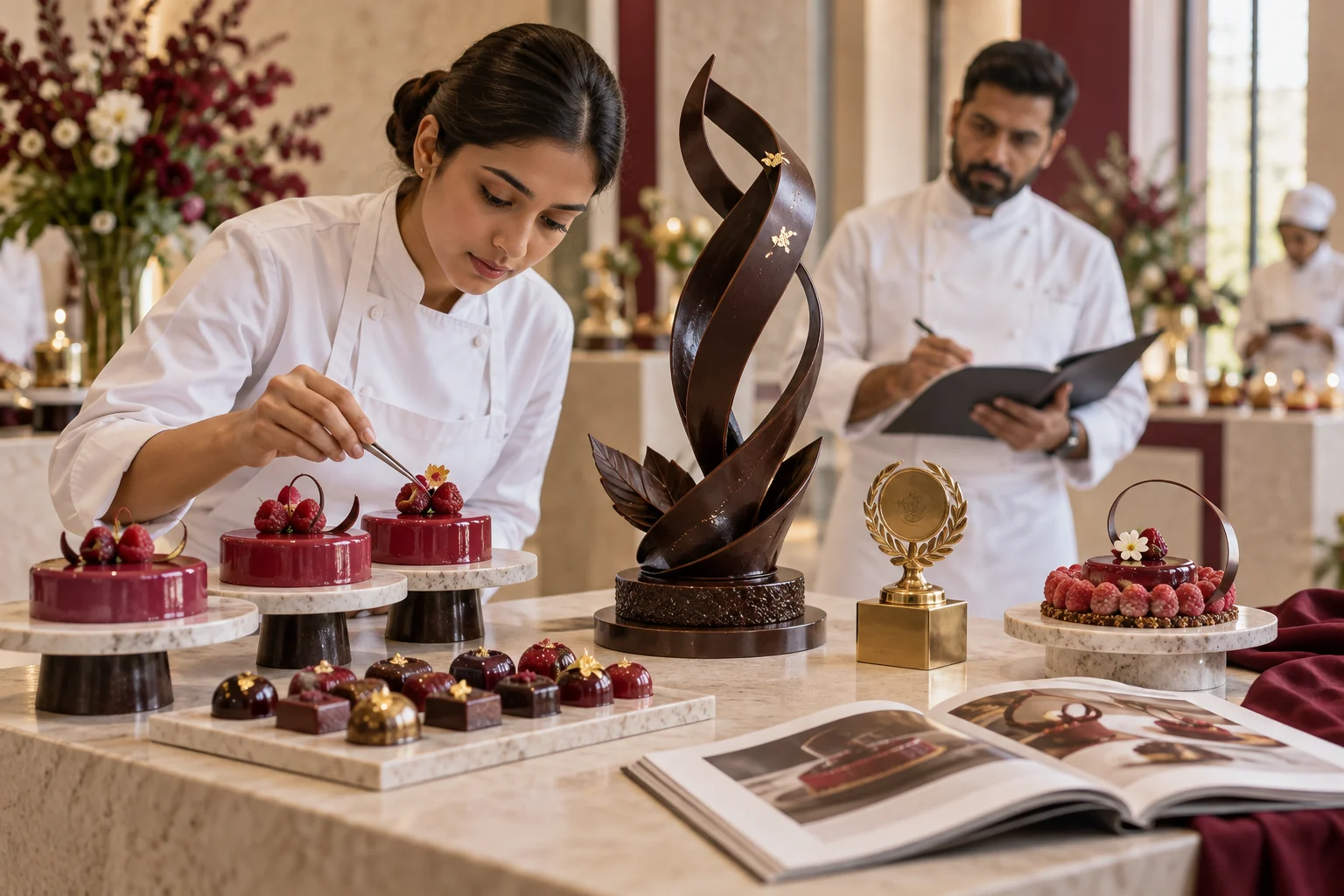
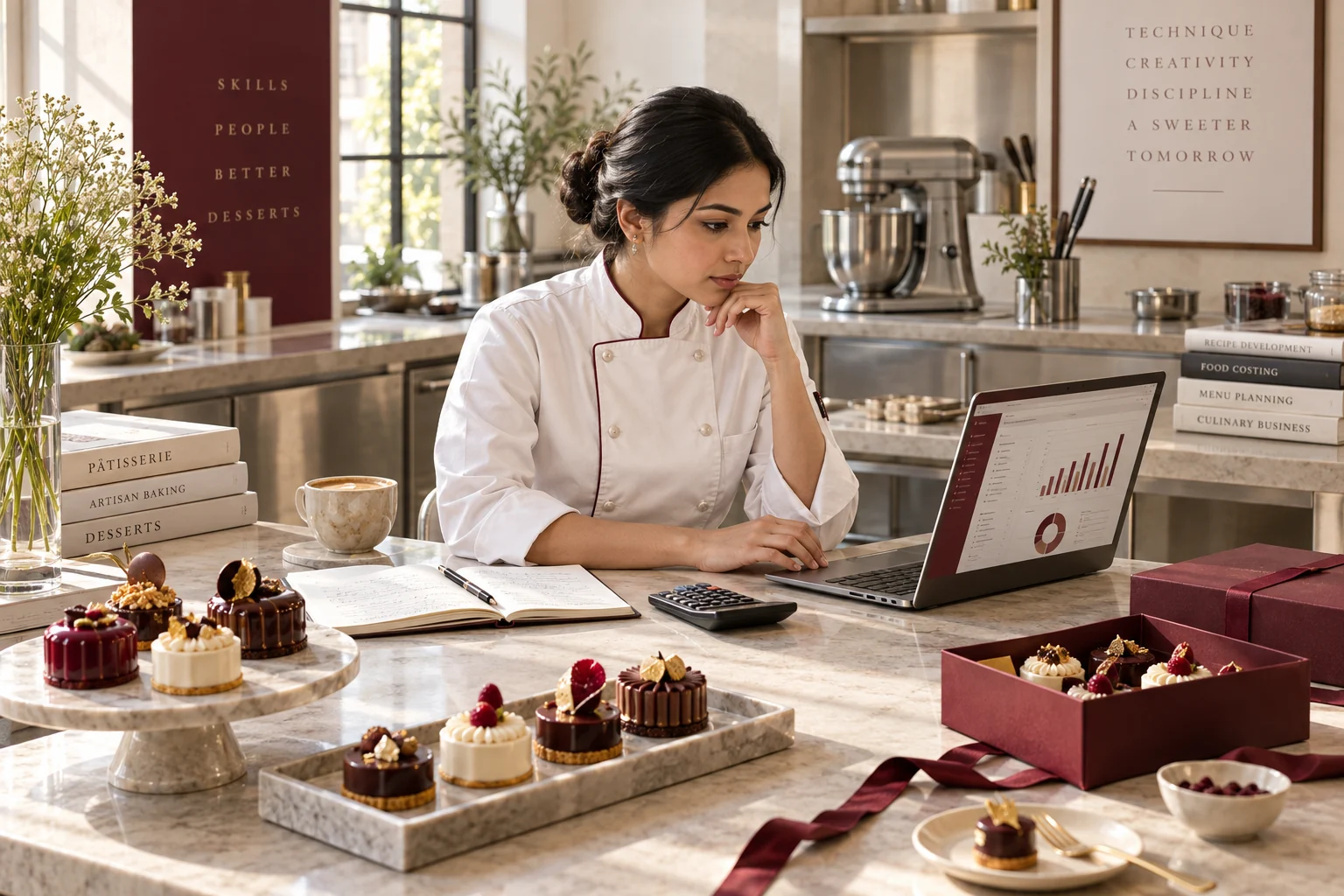
Your Skills Become a Professional Record.
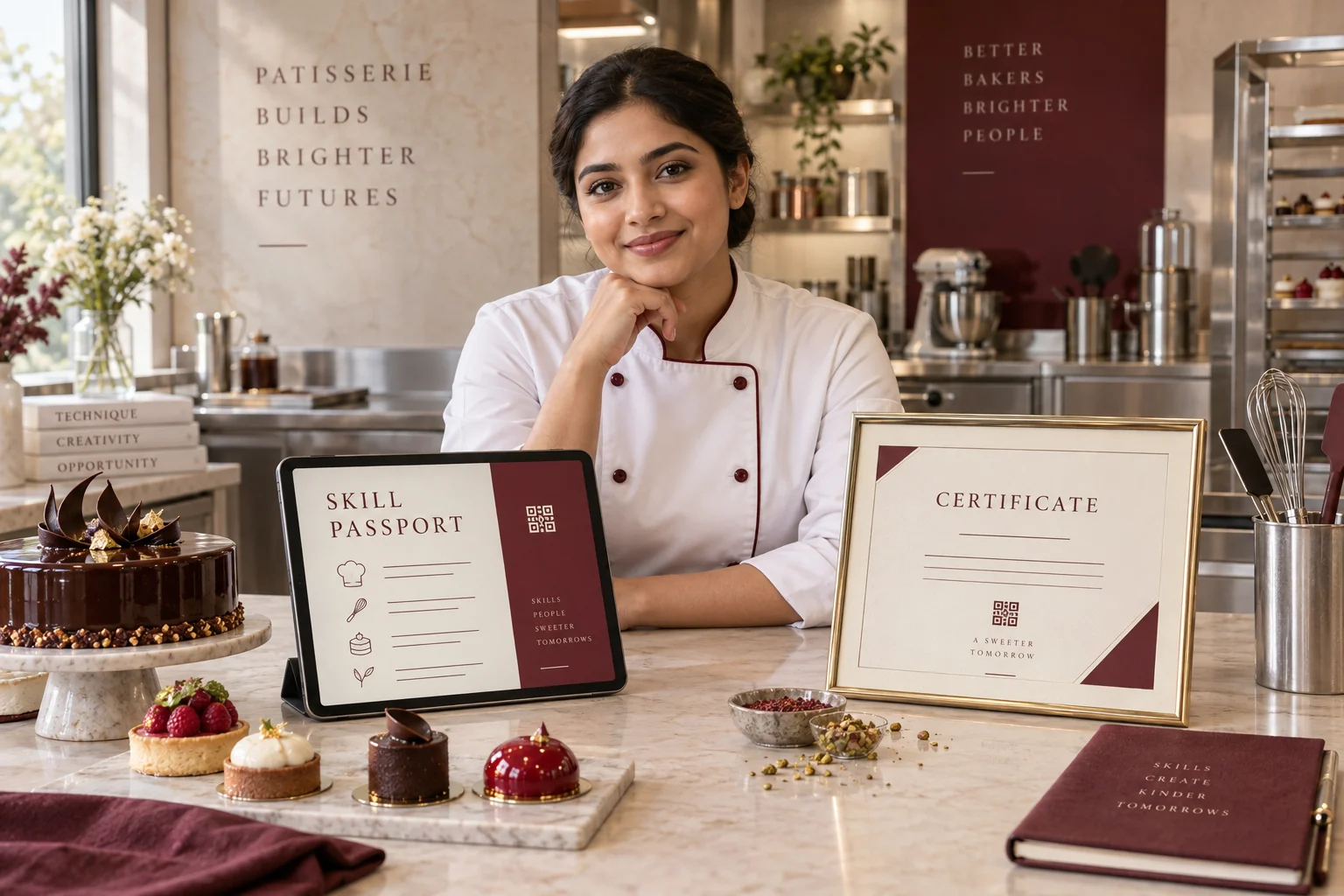
Your CSI Skill Passport documents your practical capabilities, assessment results and professional performance, supported by IBPE-verified certification and QR verification.
Explore egg-free baking, pastry and entrepreneurship with our professional programme.
Most people who want to bake for a living are taught to follow recipes. Very few are taught why a recipe works, or what to do at seven in the morning when it doesn't.
La Couronne Patisserie was built around a single decision: keep the cohorts small enough that a chef can stand at every student's bench, every day. Sixteen stations, one chef, one commis. Nothing is demonstrated to a room of forty and then never practised.
The syllabus is classical because classical technique transfers. A student who can laminate properly, temper chocolate reliably and balance a cream by taste can work in a hotel, a patisserie, a restaurant pass, or their own shop. Trend-led teaching ages within two seasons; fundamentals do not.
We assess under time, on the pass, the way service does. It is harder than most programmes. Graduates tell us it is the reason their first job did not overwhelm them.
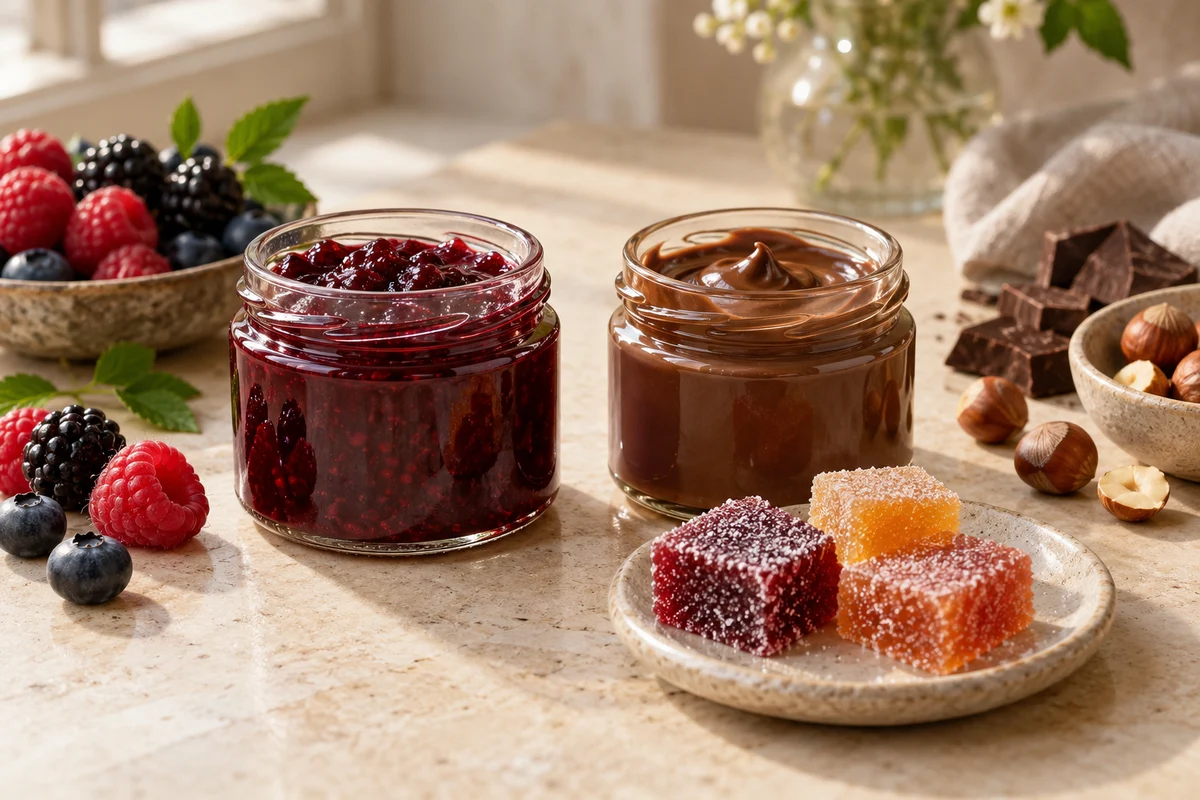
A two-and-a-half month intensive in modern bakery, cookies, cakes and artisan preserves.
24 modules in professional egg-free baking and pastry with entrepreneurship and business training.
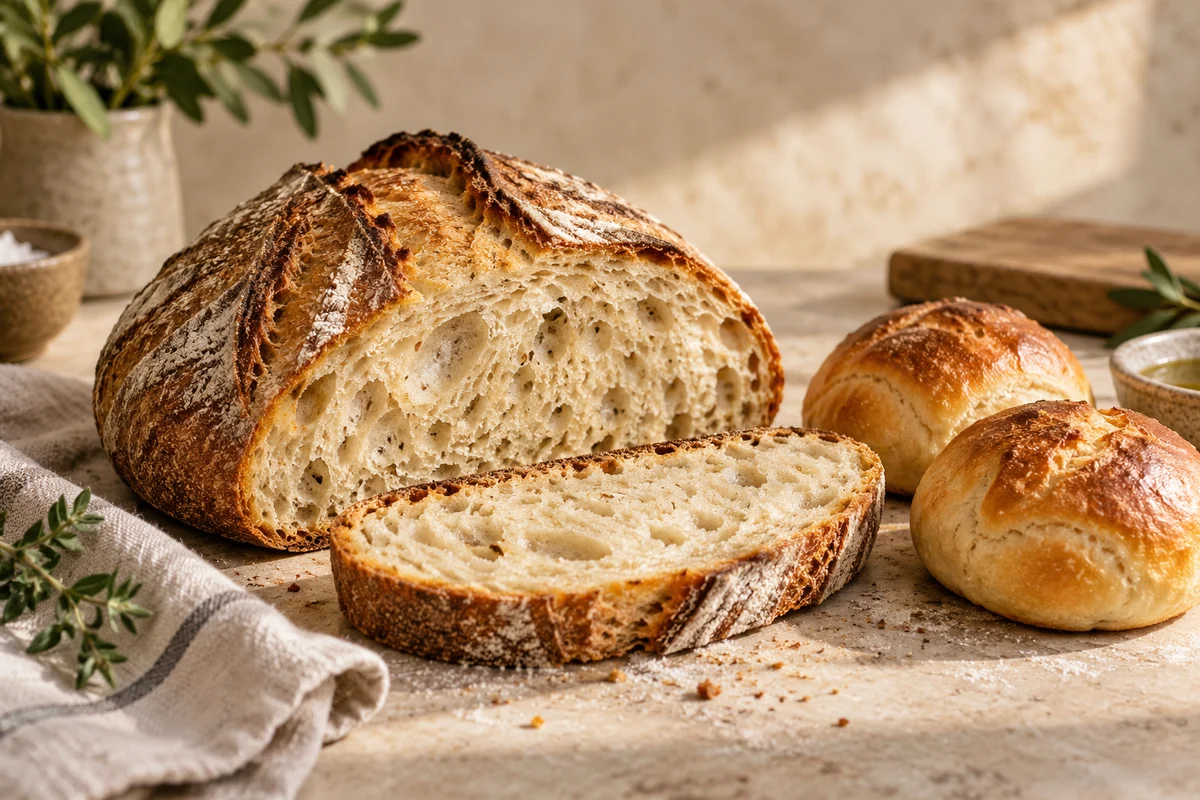
Explore artisan breads, soft buns and premium cookies as part of Global Trending Patisserie.
16 modules in professional egg-free baking and pastry.
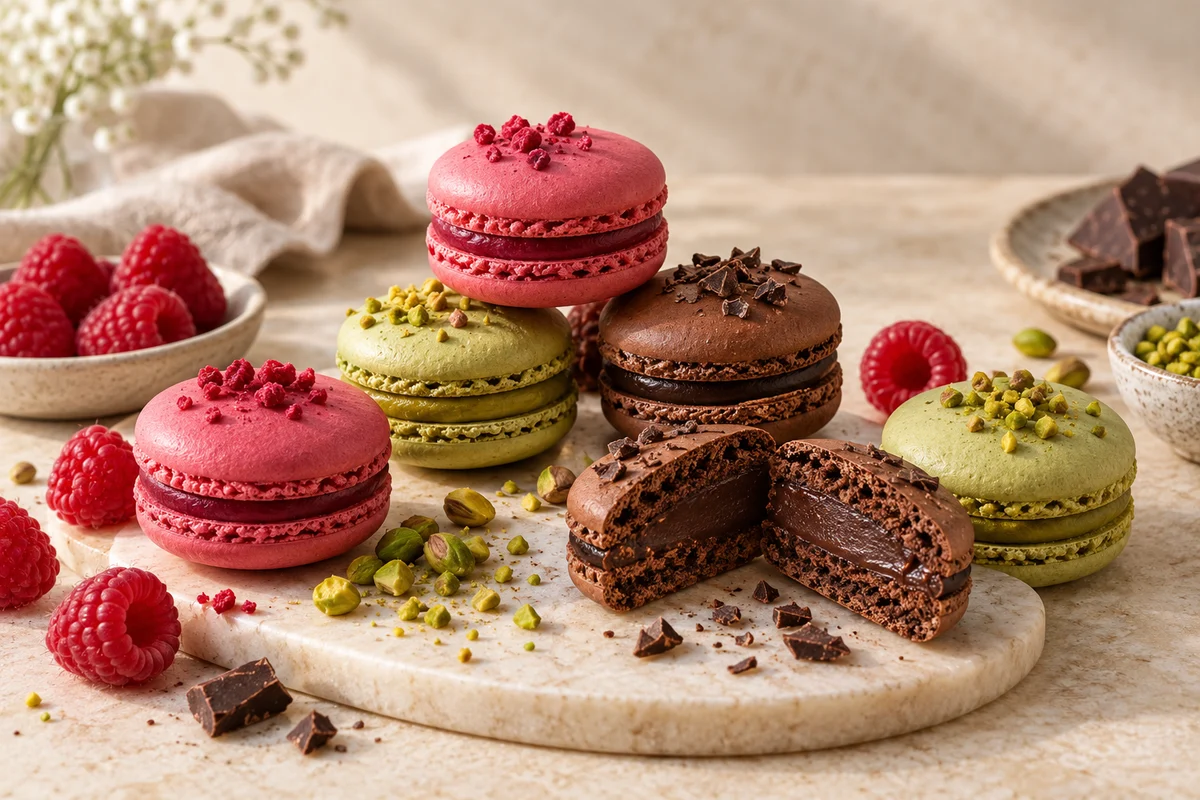
Discover macarons, layered desserts and classical cakes within Global Trending Patisserie.
Every session is hands-on at a full station. Recipes are demonstrated once, then produced by each student, tasted, corrected and repeated until the result is consistent. Written technique notes are yours to keep.
Explore egg-free bakery, pastry and chocolate. View the full syllabus on the programme page.
Modern bakery, cookies, cakes and artisan preserves, with all raw material and tools included.
24 modules spanning food science, bakery, pastry, chocolate, plated desserts and entrepreneurship.
Build on the foundations with delicate pastry, layered desserts and frozen creations.
16 focused modules covering baking, pastry, breads, chocolate, cakes and frozen desserts.
Develop finishing skills and learn the practical details of producing and selling your work.
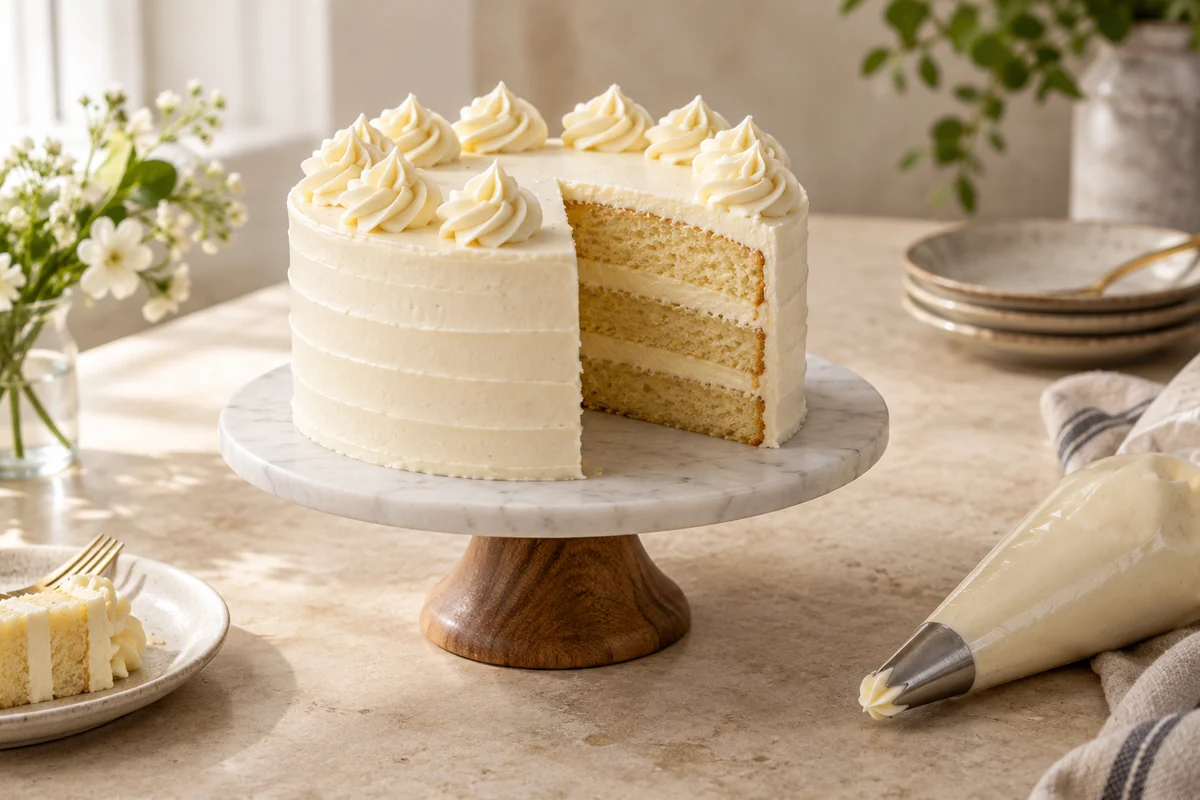
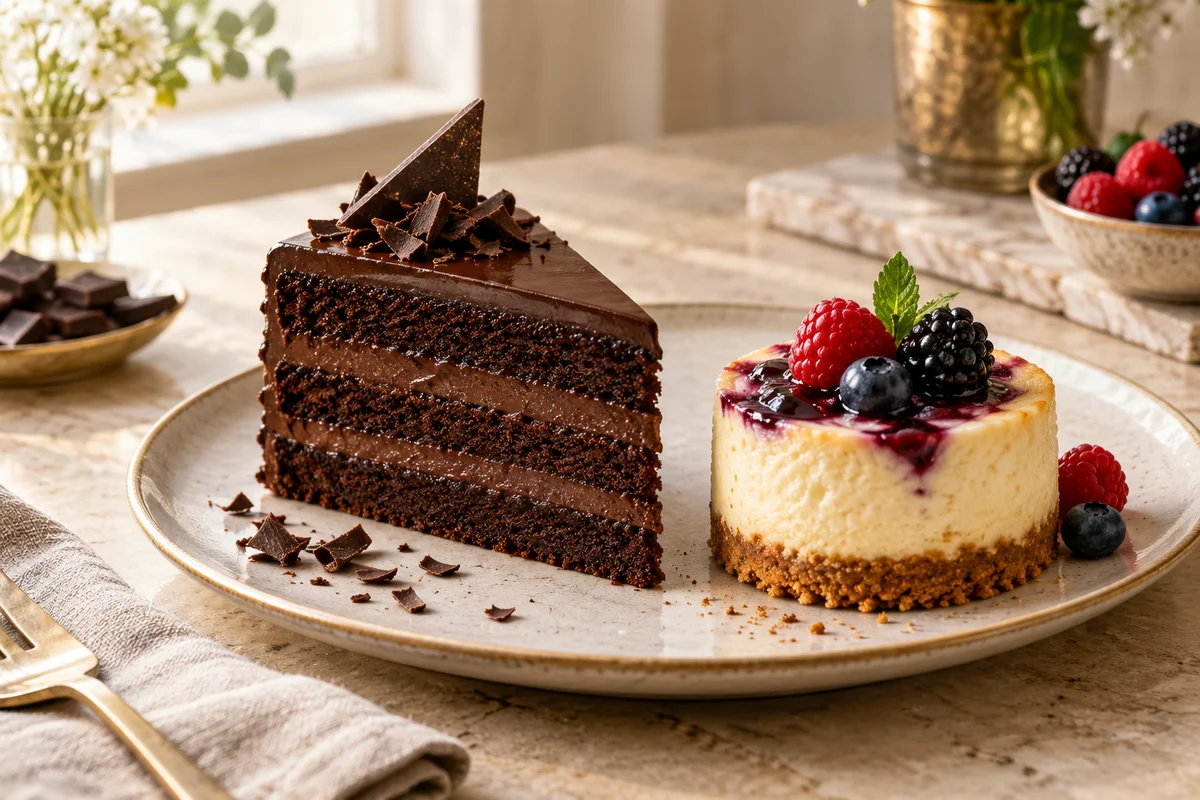
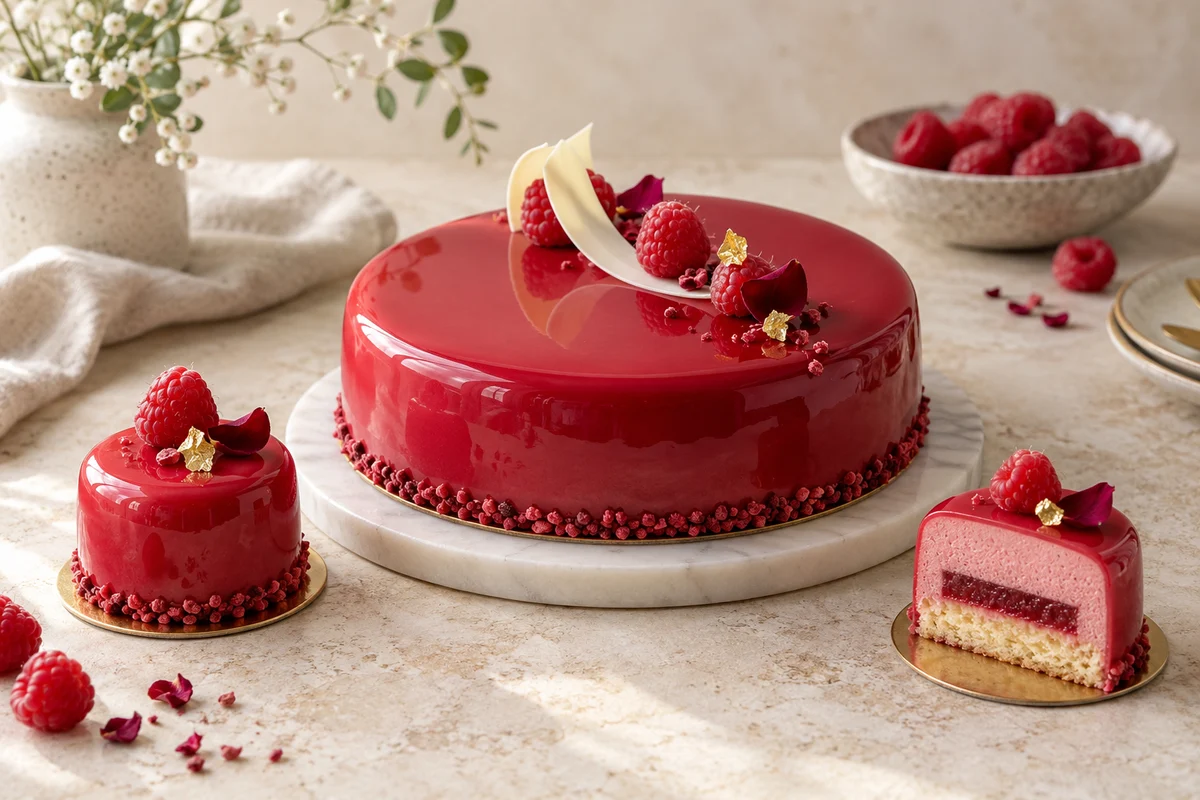
Explore the products behind each module, from cookies, breads and laminated doughs to pralines, entremets and fondant flower cakes.


A focused professional environment designed for intensive hands-on pâtisserie, bakery and confectionery training.
Professional equipment. Hands-on production. Continuous guidance.
Walk through the kitchensExplore the hero products across 17 modules, from baking fundamentals and artisan breads to chocolate, entremets and fondant flower cakes.


Anything not answered here, the admissions chef will cover in your application call.
We are direct about this because it is the most common reason people withdraw. The programme is physical work at professional pace, not an enrichment course.
Your CSI Skill Passport documents your practical capabilities, assessment results and professional performance, supported by IBPE-verified certification and QR verification.
Stay connected with professional associations, industry communities, mentors, events and networking opportunities across the CSI ecosystem, including HBAI, PCAI, IPCA, CAI and HBOI.
Access eligible opportunities through CSI publications, features, showcases, competitions, Skill Olympics, workshops and industry events.
Continue developing through business resources, costing, commercial knowledge, marketing guidance, professional networking and relevant career opportunities, supported by your verified Skill Passport.
We would rather you decide now than in month three. Two honest lists.
Applications are reviewed on a rolling basis and places are offered as they are filled. A short conversation with the admissions chef is part of every application.
Every programme is taught in the same kitchens, by the same chefs, to the same standard. The only difference is how deep you go.
A two-and-a-half month intensive in modern bakery, cookies, cakes and artisan preserves.
24 modules in professional egg-free baking and pastry with entrepreneurship and business training.
16 modules in professional egg-free baking and pastry.
Explore these topics within the brochure programmes.
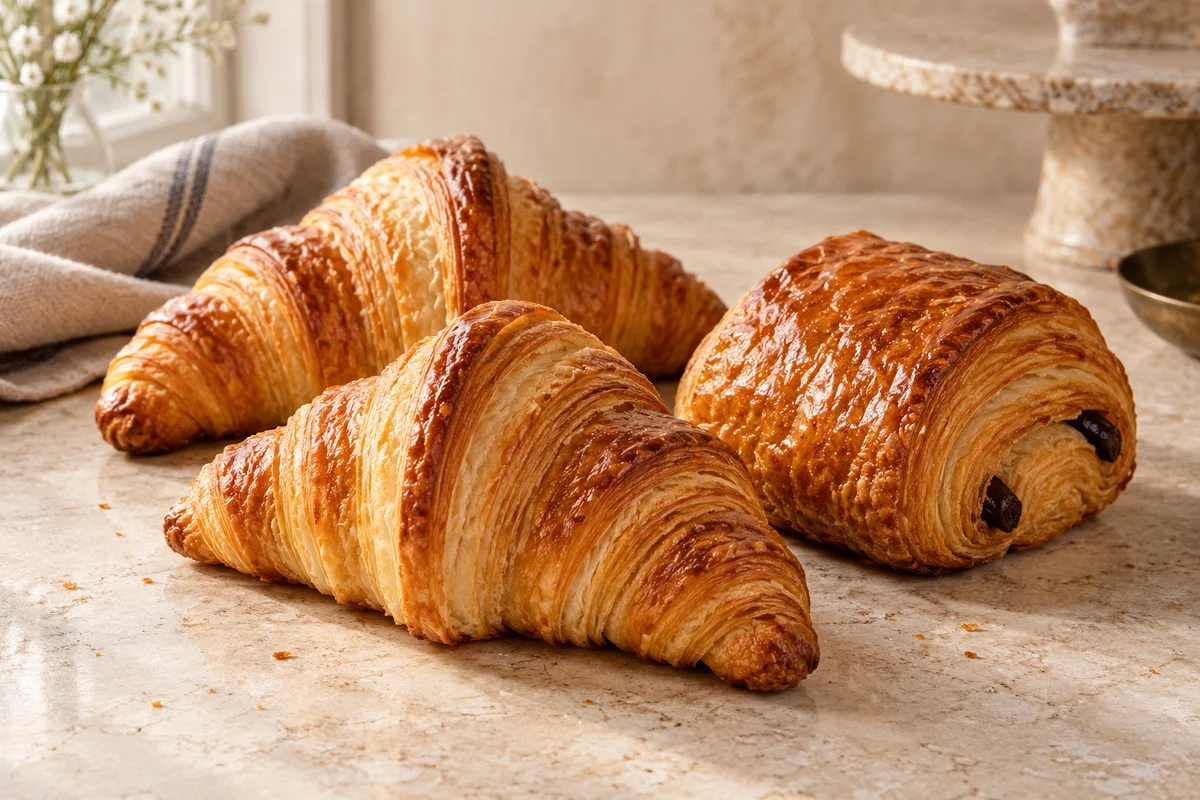
Croissant, pain au chocolat, brioche and danish, from pre-ferment to bake.
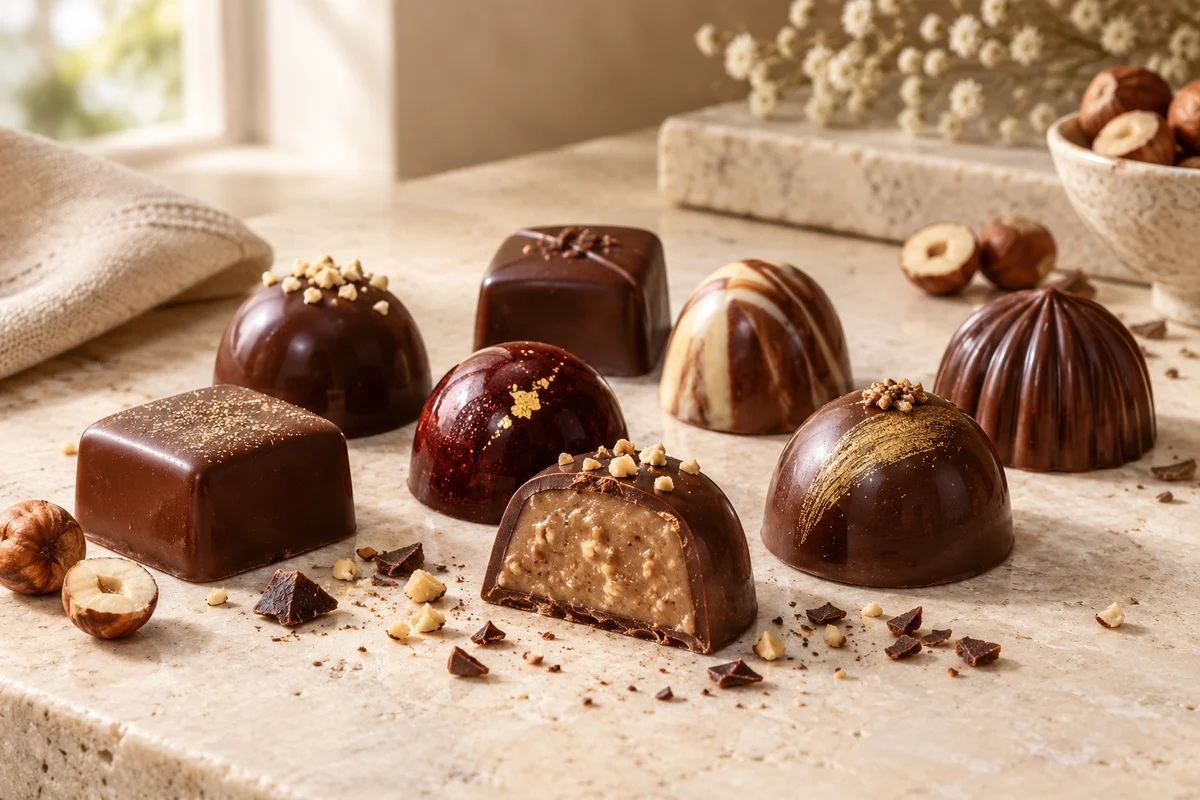
Tempering, ganache balance, moulding, shelf life and finishing.
Layer logic, insert textures, mirror glaze and clean sectioning.
People usually arrive wanting the longest programme and leave the conversation with a shorter one, or the reverse. It depends entirely on what you intend to do afterwards.
The six-month diploma combines food science, pastry, chocolate and entrepreneurship across 24 modules.
The six-week certificate covers 16 core modules in professional egg-free baking and pastry.
The six-month diploma includes production skills, entrepreneurship, menu planning and budgeting.
Tell us at application. We occasionally let experienced commis skip the foundation weeks and join at term two, subject to a practical trial. It reduces the fee proportionally.
Do a short course first. Three days in our kitchen will tell you more about whether this is your trade than any brochure, and the fee is credited against a diploma if you enrol within a year.
Around half of every cohort has never worked professionally. We teach from the first principle upward.
No upper limit. Our oldest graduate to date started at 54 after leaving a corporate career.
Instruction is in English with French technical vocabulary taught as you go. No formal test.
Eight hours standing, lifting to shoulder height, hot ovens. A medical certificate is required.
{{ course.description }}
{{ course.body }}
{{ course.included }}
There is no written final. Each term ends with production under time, judged on taste, texture, structure, finish and waste. The final service is judged by chefs from outside the academy.
Grades are awarded as Pass, Merit or Distinction and printed on your certificate. Every certificate carries a serial number and a QR code an employer can verify on this site.

The same five headings are used from week four to the final service, so you always know what a chef is looking at when they taste your work.
Competent and safe. The item would go out of a kitchen without a chef stopping it.
Consistent across the batch and to time, with finish a customer would notice approvingly.
Work a head chef would put on a menu unchanged. Roughly one in five students, some terms none.
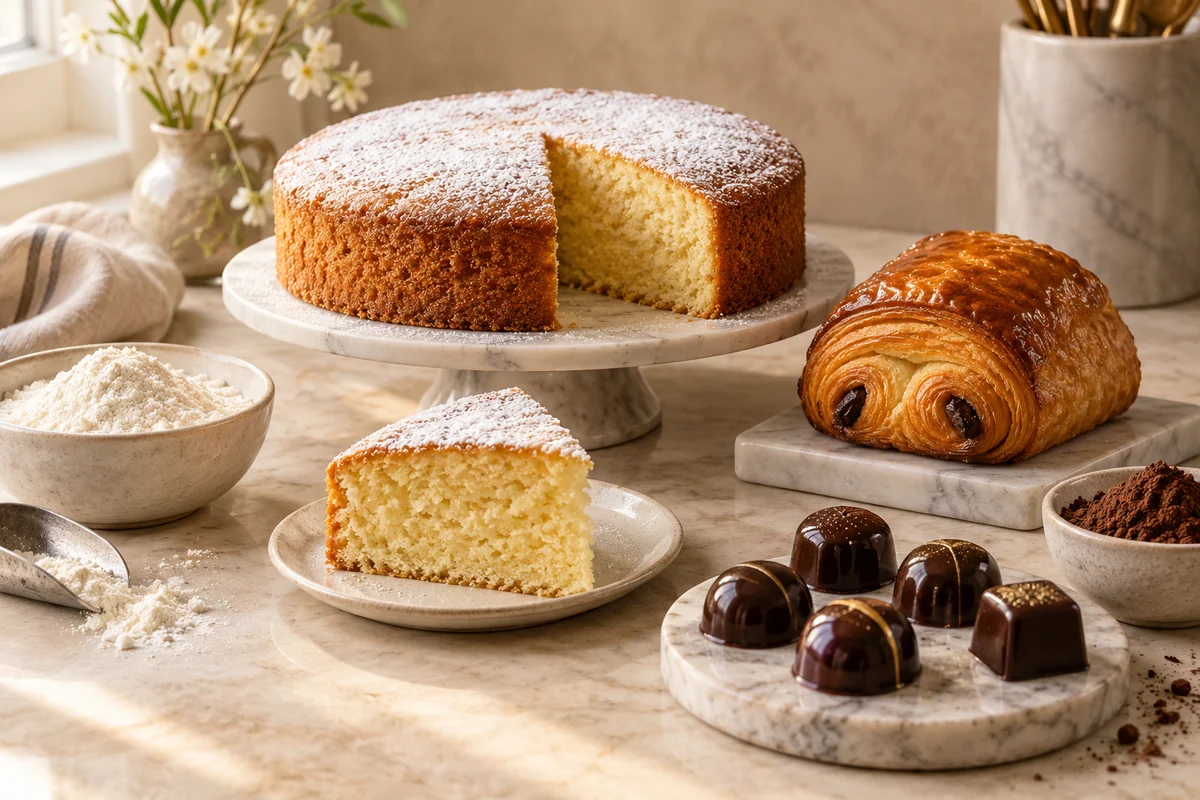
Explore the products and techniques in your selected course syllabus, from doughs and cake foundations to chocolate and finishing.
Learn through practical production, with modules covering professional baking and pastry techniques.
Browse the full module list above to see the topics included in this programme.
Module 1 · The Science of Baking, Pastry & Chocolate
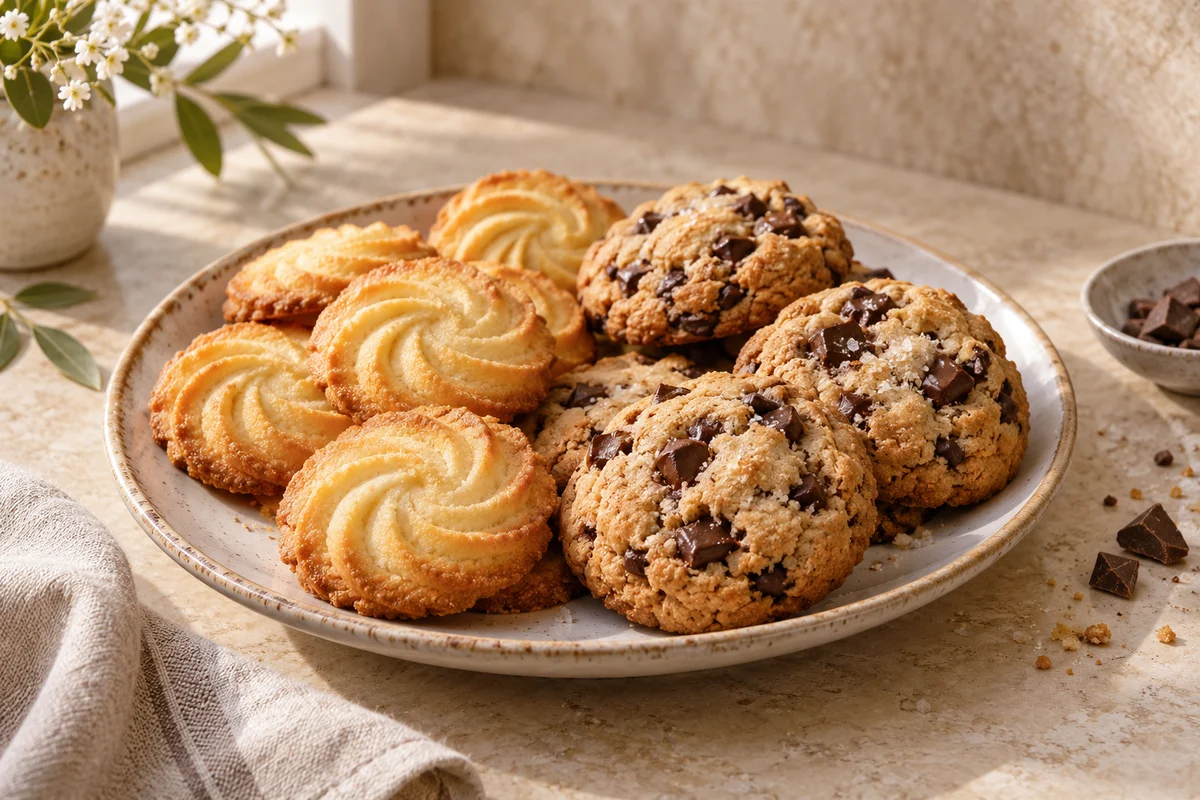
Module 2 · Cookies
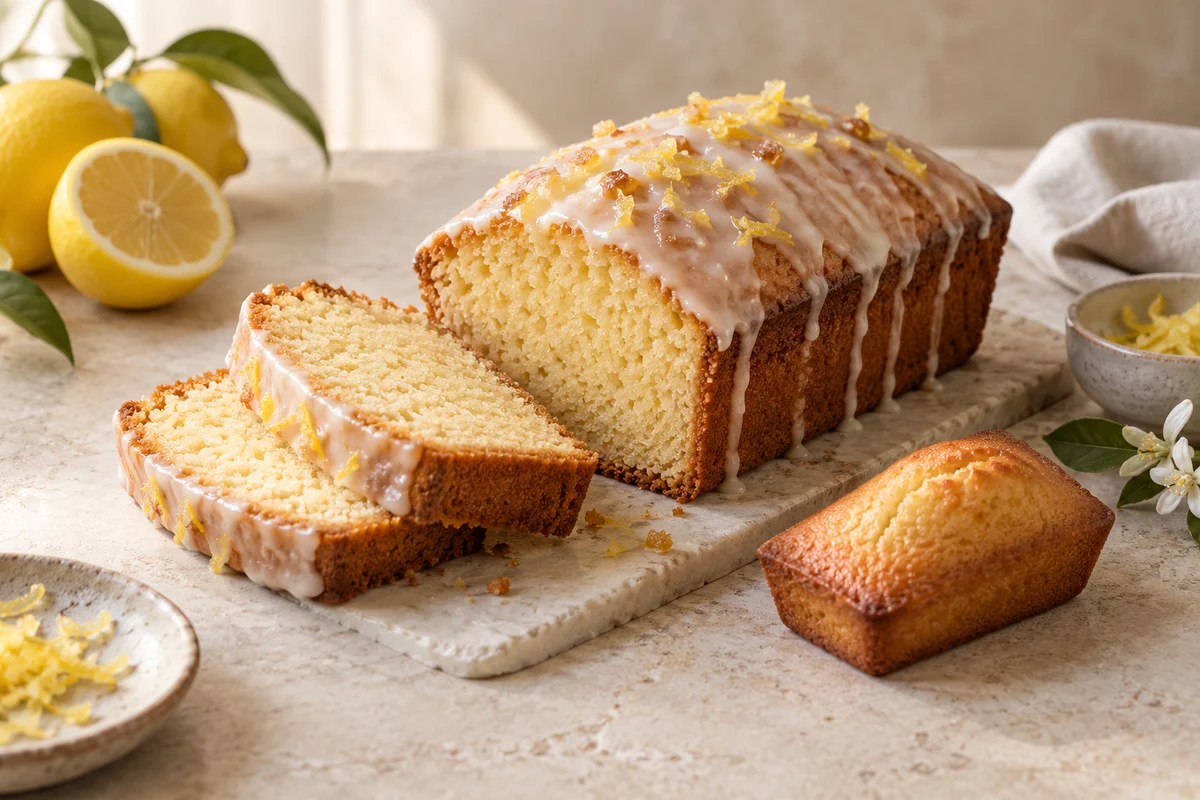
Module 3 · Travel Cakes
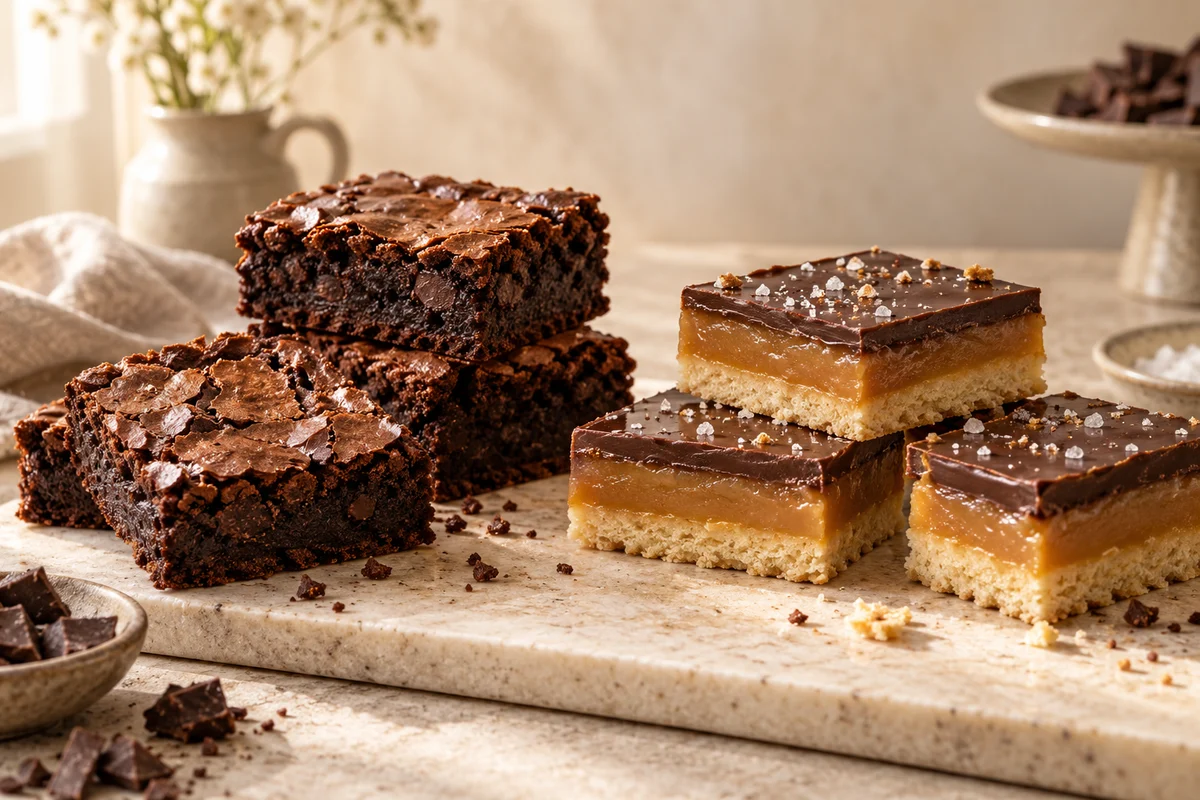
Module 4 · Brownies & Bar Desserts
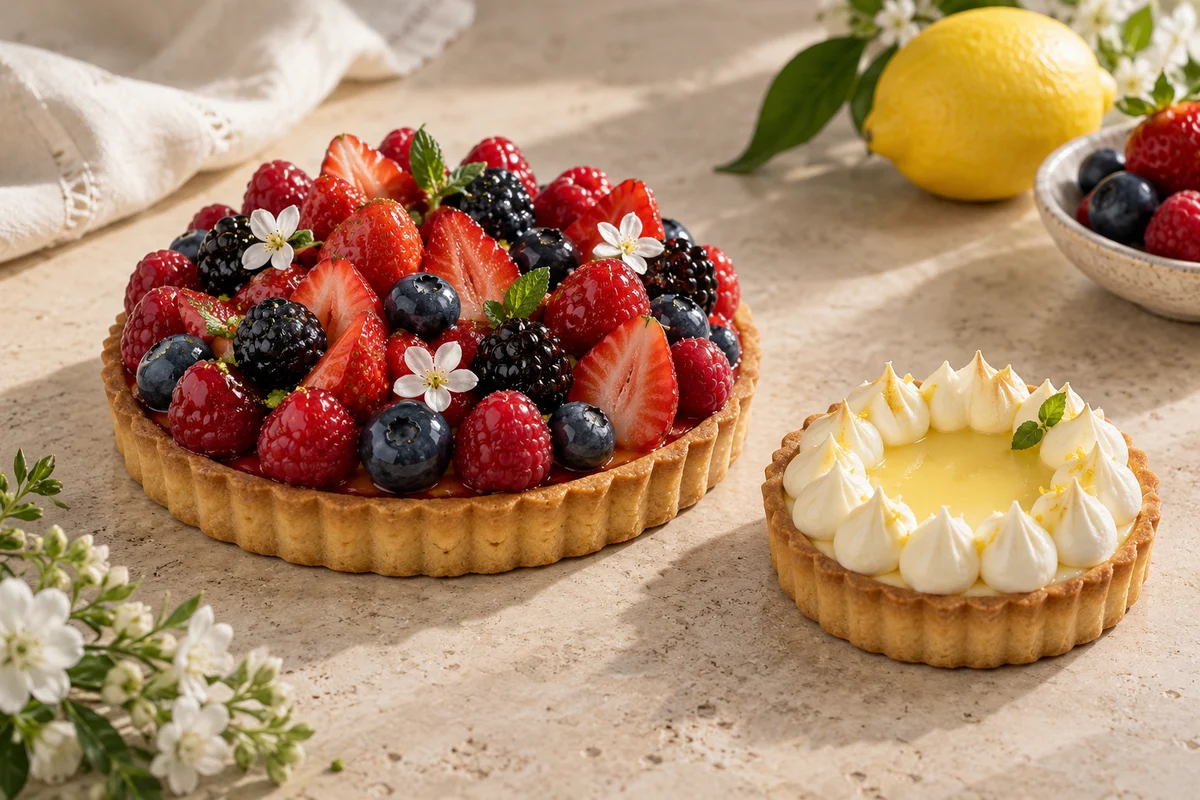
Module 5 · Tarts
Module 6 · Breads
Module 7 · Laminated Doughs
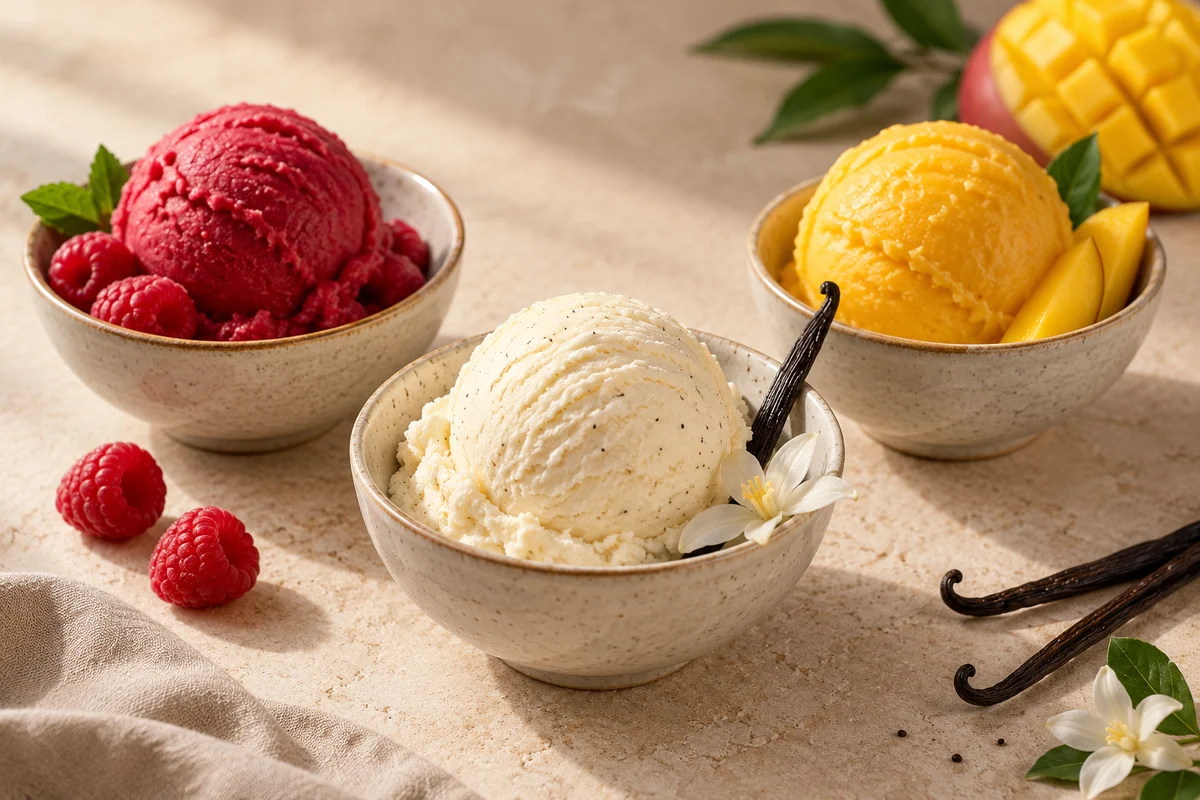
Module 8 · Ice Cream & Sorbets
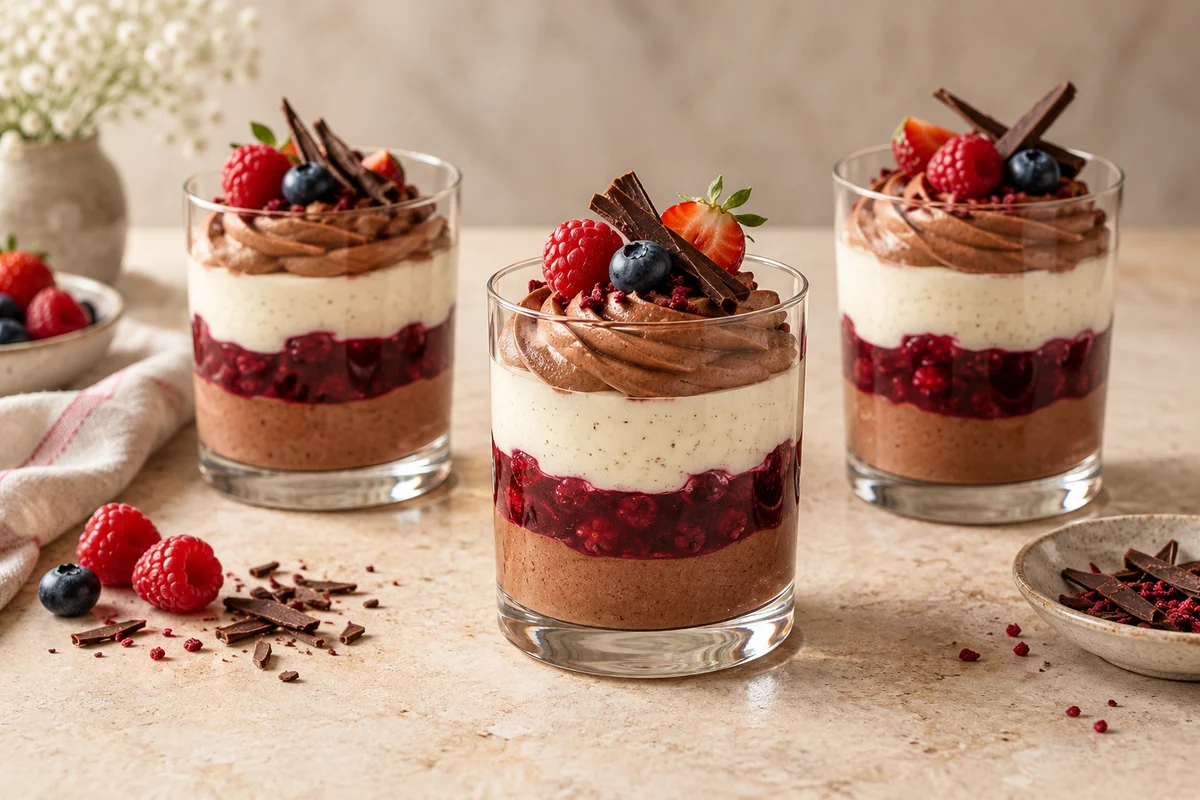
Module 9 · Verrines
Module 10 · Preserves, Spreads & Confections
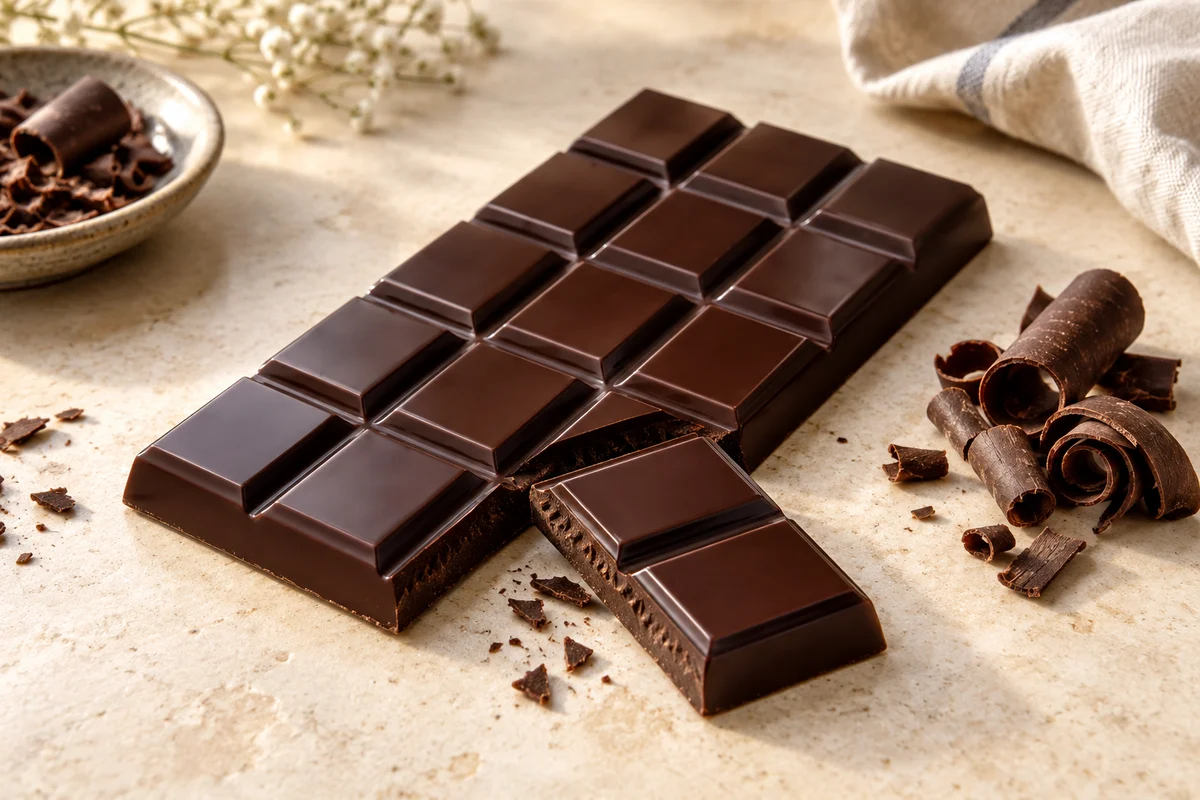
Module 11 · Chocolate Tempering
Module 12 · Advanced Chocolate & Pralines
Module 13 · Macarons & Ganache
Module 14 · Cake Fundamentals
Module 15 · Classic Cakes & Cheesecakes
Module 16 · Entremets & Petit Gâteaux
Module 17 · Fondant Flower Theme CakeContact admissions for the current intake schedule and admission form.
Explore the curriculum and speak to admissions about the programme that fits your plans.
Send the form below or call. Admissions will share programme details and the fee schedule.
Walk the kitchens during a live class. Optional, but most applicants do it before deciding.
A short form, proof of schooling, ID, and a paragraph on why you want to cook. No portfolio required.
Thirty minutes with the admissions chef, in person or on a call. Not a test — a check that the programme fits.
Decision within five working days. The seat is confirmed on payment of the first instalment.
The Global Trending programme fee is all inclusive. Ask admissions about the instalment schedule.
We provide the documentation four major lenders ask for. The admissions office will walk you through it.
Global Trending Patisserie: ₹1,00,000 on offer, ₹75,000 in week four and ₹75,000 in week eight.
Ask admissions for the current withdrawal and refund terms before enrolling.
Discuss your goals, course duration and curriculum with the admissions chef before choosing a programme.
The chef will ask what you cook now, what you want to be doing in three years, and how you plan to pay. You should ask about the parts of the brochure you do not believe.
Here is what the programme fee covers, and what to consider when planning your budget.
Sixteen stations means one chef teaches sixteen people, not sixty. Ingredients for four hundred practised items are consumed, not demonstrated. That ratio is the cost.
A commis in a good kitchen starts modestly. Repayment is realistic over three to four years, faster if you move into a sous role or open your own place. We will run the numbers with you.
Compare programme fees and duration with admissions before deciding which course suits your budget.
We do not run a hostel. The office keeps a vetted list of paying-guest accommodation within four kilometres, ₹12,000–22,000 a month.
Most out-of-town students share a flat with two or three classmates. We introduce you before term starts so you can arrange it.
Lunch is cooked and eaten together at the academy every teaching day, included in the fee.
International applicants: we issue the admission letter required for a student visa once the first instalment clears.
Leave your details and admissions will share the programme information and fee schedule.
Sixty-four students at any one time, across four kitchens. We have no plans to grow past that.
Hotels, patisseries and restaurants across the country are opening pastry sections and cannot staff them. At the same time, a great many people finish a three-month course able to reproduce a dozen recipes and no more, and find that their first professional week undoes their confidence.
La Couronne Patisserie was founded to close that gap in one direction only: fewer students, longer programmes, harder assessment. We would rather graduate sixteen people a year who can walk into a section than a hundred who cannot.
Everything about the academy follows from that decision — the station count, the chef-to-student ratio, the equipment list, the fee.
Trends change every season. Ratio, structure and temperature do not.
A chef stands at your bench and tastes your work daily. No exceptions.
A grade means something because it is possible not to get one.
Explore the products behind each module, from cookies, breads and laminated doughs to pralines, entremets and fondant flower cakes.


We do not select for youth or for prior experience. A twenty-year-old straight from school and a forty-five-year-old leaving a corporate job learn faster next to each other than either would in a room of peers.
Ingredient quality is a teaching decision, not a purchasing one. If the chocolate behaves unpredictably, a student learns nothing from a failed temper.
Single-origin and blended couverture at professional cocoa percentages. Students temper the same chocolate they will use in a paying kitchen.
Indian flours tested for protein and behaviour, and cultured butter at 82% fat. We teach what is actually available to buy here, not what a French textbook assumes.
Bought weekly from the market rather than frozen year-round, so students learn to build a menu around what is good this month.
Campus visits run twice a week and include a kitchen walk-through while students are working.
A focused professional environment designed for intensive hands-on pâtisserie, bakery and confectionery training.
Students develop their techniques through hands-on practice, individual production and selected team-based projects under continuous Chef Instructor guidance.
A dedicated production space equipped for the complete workflow — from preparation and mixing to proofing, baking, chilling and finishing.
Students work through real production processes under Chef Instructor guidance, developing technical precision, consistency, hygiene and professional working habits.
Professional equipment. Hands-on production. Continuous guidance.
Students break down their own stations. Not as a chore, but because a chef who cannot leave a bench clean will not last in a professional brigade.
Temperatures are logged twice daily, allergens are stored separately, and the kitchens are audited by an external food-safety consultant each quarter. Every student completes HACCP certification in the first four weeks.


Visits run Tuesday and Thursday afternoons while students are working. Forty minutes, no obligation, and you will meet the chef who teaches term one.
Admissions will contact you to confirm a suitable visit time.

No presentation, no sales pitch, no auditorium. You walk through working kitchens while a class is in progress.
Pastry room first, mid-production, so you see sixteen people working rather than an empty showroom. Aprons provided.
We leave you with two current students and no staff present. Ask them what they would change about the programme.
Coffee and whatever came out of the ovens that morning, with the chef who teaches term one. Bring your questions about the fee.
Student portal
Every recipe and correction sheet issued to your cohort, searchable.
Open libraryExplore baking, pastry and chocolate techniques in the course syllabus.
View curriculumIssued on completion, with a permanent verification link you can share with employers.
Available at graduationYour graduation activates your CSI professional identity, connecting your Skill Passport, verified credentials, professional network, events, publications and applicable member benefits through one CSI ID.